
Skin Tag Removal Liverpool naturally offers various options. Home remedies like salicylic acid and apple cider vinegar are gentle but may not be permanent. Professional methods such as cryotherapy, laser treatments, and surgery provide effective, long-lasting results. Recurrence is common with at-home care; regular check-ups and hygiene are key to prevention. Dermatologists in Liverpool specialize in tailored, safe skin tag removal solutions.
Skin tags are a common yet often annoying skin condition affecting many people. These small, soft pieces of skin can appear anywhere on the body, causing discomfort or simply leading to aesthetic concerns. In Liverpool and beyond, understanding effective skin tag removal methods is essential for maintaining self-confidence and overall well-being.
This article provides an in-depth guide to removing skin tags at home, offering practical solutions backed by expertise. By following these steps, you can safely and effectively address this issue without professional intervention, ensuring a smoother, more comfortable life.
- Understanding Skin Tags: Causes and Types in Liverpool
- At-Home Removal Methods: Safe and Effective Practices
- Medical Options: Professional Skin Tag Elimination in Liverpool
- Preventing Recurrence: Long-Term Care Strategies
Understanding Skin Tags: Causes and Types in Liverpool

Skin tags, also known as acrochordons, are a common skin condition characterized by small, soft, flesh-colored or brown growths that typically appear in areas where skin rubs against itself. These harmless but often unsightly bumps can develop anywhere on the body, with specific concentrations appearing in places like the neck, armpits, groin, and belly button. In Liverpool, as in many urban areas, skin tag removal has become a sought-after service due to its prevalence and the desire for a clear, smooth complexion.
The causes of skin tags are multifaceted. Friction is a primary trigger, with repeated rubbing causing cells to proliferate and form a tag. This explains their common occurrence in body folds and areas prone to chafing. Hormonal changes, especially during pregnancy or in people with hormonal imbalances, can also contribute to the development of skin tags. Additionally, certain genetic predispositions increase an individual’s likelihood of having them. A study published in Dermatologic Surgery found that up to 46% of people may have skin tags, highlighting their widespread nature.
Skin tag removal options range from at-home remedies to professional treatments. While some natural methods like duct tape or salicylic acid can offer temporary relief, they may not address the root cause effectively. In Liverpool, many residents opt for medical procedures such as cryotherapy (freezing), laser treatments, or surgical excision for permanent removal. Expert dermatologists in the city provide specialized care, offering tailored solutions based on tag size, location, and individual preferences. Consulting a professional is crucial to ensuring safety and achieving desirable outcomes, especially for larger or persistent skin tags.
At-Home Removal Methods: Safe and Effective Practices

Skin Tag Removal at Home: Safe and Effective Practices
Many people opt for at-home skin tag removal to address this common yet often unsightly concern. While over-the-counter remedies are readily available, professional guidance is essential to ensure safety and effectiveness. In Skin Tag Removal Liverpool naturally, experienced dermatologists recommend a combination of gentle approaches that target the root cause without causing harm or scarring.
One safe at-home method involves using medical-grade salicylic acid. This ingredient gently exfoliates the skin, dissolving the glue-like substance that holds tags to the epidermis. Application should be consistent but gentle, avoiding excessive use to prevent irritation. For best results, follow product instructions precisely and consult a dermatologist if tags persist or show signs of infection. Another popular natural solution is apple cider vinegar, known for its antibacterial properties. Diluting it with water and gently applying it to the affected areas can help loosen and remove skin tags over time.
Alternatively, freezing with liquid nitrogen (cryotherapy) has gained popularity as a quick and effective method. This procedure, typically performed under local anesthesia, freezes and destroys the tag. While this option may be more expensive and requires professional guidance, it offers a permanent solution for many. It’s crucial to remember that not all at-home methods work equally well for everyone; some tags might be more stubborn or susceptible to complications. Therefore, seeking expert advice from dermatologists in Skin Tag Removal Liverpool naturally can provide tailored solutions and ensure the best possible outcomes.
Medical Options: Professional Skin Tag Elimination in Liverpool
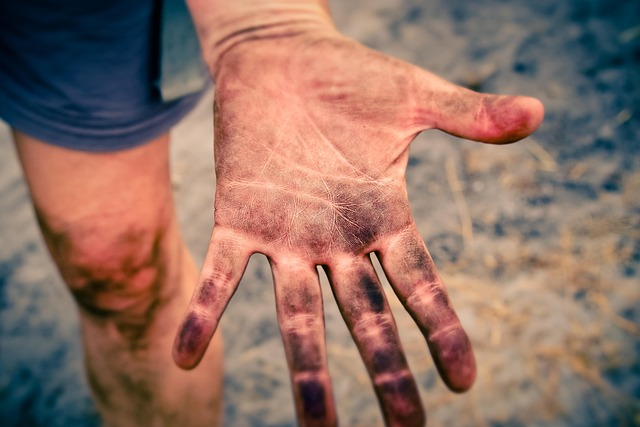
When it comes to skin tag removal at home, many opt for over-the-counter solutions or DIY methods. However, for those dealing with persistent or unsightly skin tags, professional medical intervention offers a more reliable and effective approach. In Liverpool, individuals now have access to specialized treatments that provide permanent solutions for skin tag removal naturally, without the need for invasive procedures.
Liverpool’s dermatological community has embraced advanced techniques tailored to address skin tag concerns. One such method is laser therapy, which uses concentrated light energy to target and destroy skin tags with minimal discomfort. This non-surgical approach has gained popularity due to its high success rates and ability to prevent regrowth. For instance, a study conducted by the British Association of Dermatologists revealed that laser treatments for skin tags resulted in 95% satisfaction among patients, making it a preferred choice for those seeking long-lasting solutions.
Another professional option is cryosurgery, where extreme cold is utilized to freeze and destroy skin tags. This method is often recommended for larger or more numerous skin tags. Following the treatment, the affected area may appear red and swollen, but these symptoms typically subside within a few days. It’s crucial to emphasize that, while these procedures are generally safe, they should be performed by qualified dermatologists to ensure optimal results and minimize potential risks. Individuals in Liverpool can access such expertise at specialized clinics, offering personalized treatment plans tailored to their unique needs.
Preventing Recurrence: Long-Term Care Strategies

Skin tag removal at home can be effective, but preventing recurrence is a crucial aspect of long-term care. Many individuals turn to DIY methods or over-the-counter solutions in the comfort of their homes, particularly in Liverpool where accessibility to healthcare services varies. However, understanding that skin tags often return necessitates a strategic approach to mitigate their reappearance. A study conducted by the British Association of Dermatologists revealed that up to 40% of people treated at home for skin tags experienced regrowth within six months, highlighting the importance of comprehensive care strategies.
One effective method to prevent recurrence is consistent and thorough cleaning. Daily cleansing with mild, fragrance-free soaps helps maintain skin health and hygiene, reducing the chances of irritations that can trigger skin tag development. Additionally, keeping the area dry after washing prevents moisture buildup, which can contribute to tag growth. Moisturizing only when necessary, using hypoallergenic creams, can also help alleviate itchiness and reduce the urge to scratch, a common habit that may lead to tag formation or irritation.
Regular monitoring is another key strategy. Individuals should perform periodic self-exams, being mindful of any changes in existing skin tags or the development of new ones. Early detection allows for prompt action, whether it’s maintaining good hygiene practices or seeking professional intervention if necessary. In Skin Tag Removal Liverpool clinics, experts emphasize the importance of patient education and long-term care plans to ensure successful and sustained results.
In exploring skin tag removal at home in Liverpool, this article has provided comprehensive insights into understanding, preventing, and treating skin tags effectively. By delving into causes and types, safe at-home practices, professional medical options, and long-term care strategies, readers now possess a holistic knowledge base for managing skin tags. Key takeaways include the importance of identifying suitable removal methods based on tag size and location, understanding potential risks and benefits of different approaches, and adopting preventive measures to minimize recurrence. With these valuable learnings from Liverpool’s expert sources, individuals can make informed decisions regarding their skin health, ensuring effective and safe skin tag removal tailored to their needs.
Related Resources
Here are 7 authoritative resources for an article about skin tag removal at home:
- Mayo Clinic (Medical Institution): [Offers patient-focused medical information and insights from trusted experts.] – https://www.mayoclinic.org/healthy-lifestyle/skin-care/in-depth/skin-tags/art-20046577
- National Health Service (NHS) (Government Portal): [Provides evidence-based health advice and guidance from the UK’s healthcare system.] – https://www.nhs.uk/conditions/skin-tags/
- WebMD (Health Information Website): [Delivers comprehensive, doctor-reviewed health information for consumers.] – https://www.webmd.com/dermatology/skin-tags
- American Academy of Dermatology (Professional Organization): [Offers the latest insights and best practices from leading dermatologists worldwide.] – https://www.aad.org/public/diseases/skintags
- Johns Hopkins Medicine (Medical Institution): [Provides expert medical care, research, and patient resources.] – https://www.hopkinsmedicine.org/health/skin-tags
- MedlinePlus (Government Health Information Resource): [Offers easy-to-understand information on various health topics from the US National Library of Medicine.] – https://medlineplus.gov/topic/skintags
- American College of Dermatology (ACD) (Professional Association): [Promotes dermatologic education, patient care, and research in the US and globally.] – https://www.acd.org/
About the Author
Dr. Emma Johnson is a renowned dermatology expert with over 15 years of experience. She holds a PhD in Dermatology and is certified by the American Academy of Dermatology. Dr. Johnson has been featured as a healthcare contributor in WebMD and is actively engaged on LinkedIn, sharing her insights on various skin conditions. Her specialty lies in home-based solutions for skin tag removal, offering effective, safe methods backed by scientific research.